Preventing Property Damage: Proactive Maintenance Tips Every Homeowner Should Know
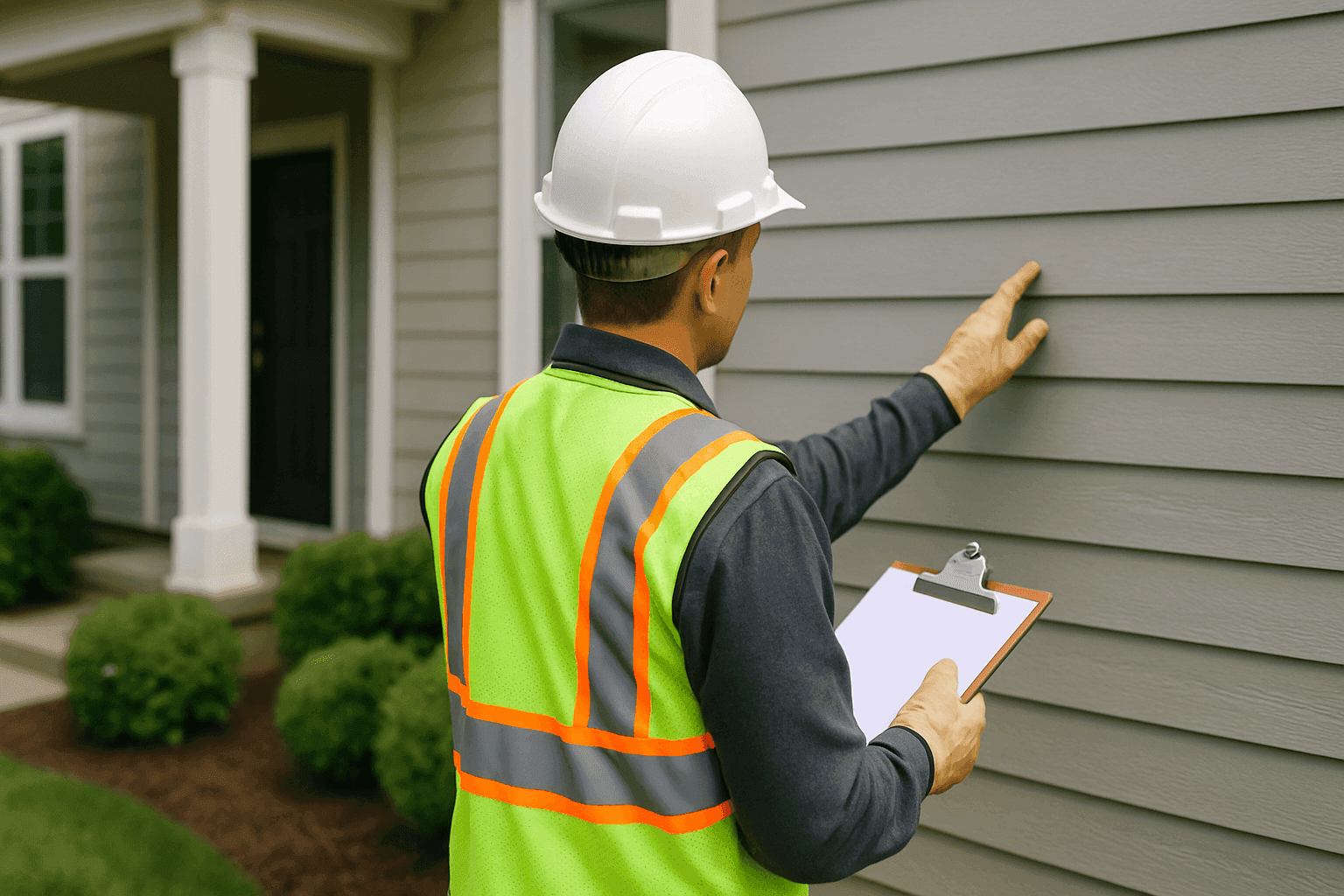
Owning a home means more than just enjoying your space—it’s a constant commitment to keeping it safe, sound, and welcoming. Even small issues—like a leaky faucet or a missing shingle—can quickly snowball into expensive disasters if ignored.
At Peer Property Management, we know proactive maintenance isn’t just about checking boxes. It’s about peace of mind for you and satisfaction for your tenants. Let’s walk through proven strategies that help you catch problems early, avoid emergency calls, and keep your investment thriving.
Routine Inspections: The Foundation of Prevention 🕵️
Think of routine inspections like regular health checkups for your home. A quick look now and then won’t cut it. Instead, a thorough, scheduled approach keeps surprises at bay.
What Should You Inspect Regularly?
- Plumbing: Look under sinks for leaks, check exposed pipes for corrosion, and test water pressure. Even a drip can pave the way for mold and water damage.
- HVAC Systems: Change filters every 1–3 months. Listen for strange noises. Clean vents and make sure thermostats work properly.
- Roof & Gutters: Scan for missing shingles, sagging sections, or debris. Gutters clogged? Water can back up and damage siding or foundations.
- Landscaping & Exterior: Trim branches away from the house. Check for cracks in walkways and signs of pests or rot near the foundation.
Tip: Use a notepad or a simple mobile app to document each inspection. Photos help you track changes over time and provide a record if insurance claims ever arise.
How Often is Enough?
- Monthly: HVAC filters, visible plumbing, smoke detectors.
- Quarterly: Exterior walks, roof from the ground, caulking/sealant checks.
- Annually: Full roof, crawl space/basement, attic insulation, and major appliances.
Seasonal Maintenance Tasks: Stay Ahead of the Weather 🌦️
Each season brings its own set of challenges. Being prepared means fewer surprises and happier residents.
Spring
- Clean gutters and downspouts.
- Inspect roof for winter damage.
- Test sump pumps before rainy season.
- Service air conditioning units.
Summer
- Check irrigation systems and hose bibs.
- Trim trees and shrubs to prevent storm or fire risks.
- Look for signs of pests (termites, ants, rodents).
Fall
- Clear leaves from gutters.
- Inspect and weatherproof windows and doors.
- Schedule furnace inspection.
- Flush water heaters to remove sediment.
Winter
- Insulate exposed pipes.
- Check attic for ice dams or leaks.
- Test carbon monoxide and smoke detectors.
- Prep snow removal equipment.
Remember: Regular seasonal tasks can stop small issues from becoming costly emergencies. The National Association of Home Builders and the International Code Council both recommend routine, seasonal maintenance for safe, efficient homes.
Common Preventable Issues: Spot Them Early
Some of the most expensive repairs start as tiny, overlooked problems. Here’s what to watch for:
Plumbing Problems
- Slow drains or stains on ceilings: Could mean hidden leaks.
- Low water pressure: May signal buildup or pipe issues.
- Noisy pipes: Could be loose brackets or air in the system.
HVAC Headaches
- Uneven heating or cooling: Check for blocked vents or dirty filters.
- Unusual smells: Often a sign of mold or electrical issues.
- Short cycling: System turning on and off too quickly points to thermostat or electrical problems.
Roofing Red Flags
- Missing shingles: Invite water inside.
- Granules in gutters: Means your shingles are wearing out.
- Moss or algae: Can trap moisture and speed up decay.
Landscaping & Drainage
- Pooling water: May erode foundations or attract pests.
- Overgrown plants: Roots can invade pipes or destabilize structures.
- Cracks in hardscapes: Allow water to seep underneath, causing more damage.
Tip: Take photos during each inspection. Compare over time and act fast if you spot changes.
Emergency Preparedness: Expect the Unexpected 🚨
No matter how careful you are, emergencies can happen. Preparation makes all the difference.
Prepping for Storms
- Secure loose objects outside.
- Clear gutters and downspouts.
- Review your insurance coverage.
- Have sandbags ready if flooding is a risk.
Freezes & Cold Snaps
- Insulate pipes in unheated areas.
- Let faucets drip during hard freezes.
- Know where your main water shut-off valve is.
Holidays & Vacancies
- Test smoke and carbon monoxide detectors.
- Set up timers for lights if the property will be empty.
- Ask a neighbor or property_management professional to check in.
Keep a list of licensed vendors handy: In an emergency, don’t gamble on unknown contractors. Only work with those who are insured and have a track record of reliability.
Why Proactive Care Matters
Think of property maintenance like regular oil changes for your car—cheap insurance against major breakdowns. Early action:
- Reduces repair costs by catching small problems before they grow.
- Increases property value by keeping everything in top shape.
- Boosts tenant satisfaction, leading to longer leases and fewer vacancies.
- Lowers risk of insurance claims and liability.
According to the Insurance Information Institute and the U.S. Department of Housing and Urban Development, preventative maintenance is the single best way to avoid costly property damage.
Documentation: Your Best Friend
Whenever you inspect, repair, or upgrade, document it. Keep:
- Photos before and after work.
- Receipts from licensed vendors.
- Notes on dates and details.
This record helps you track trends, prove compliance, and resolve disputes if they arise.
Choosing the Right Vendor
Not all handymen or contractors are created equal. When you hire for Property Renovations near you or emergency repairs, always:
- Ask for proof of license and insurance.
- Request references or reviews.
- Get written estimates before work begins.
Peer Property Management only works with trusted, fully vetted professionals—so you never have to worry about shoddy workmanship or legal headaches.
Practical Maintenance Checklists
Keep these handy for each inspection or season:
- Monthly: Test smoke detectors, inspect plumbing, swap HVAC filters.
- Quarterly: Walk exterior, check for roof damage, inspect landscaping.
- Annually: Service major appliances, deep clean gutters, inspect attic/basement.
Frequently Asked Questions
How often should I schedule professional inspections?
For most homes, a professional inspection once a year is the minimum. But, if your property is older or exposed to extreme weather, consider semi-annual checkups.
What’s the biggest maintenance mistake homeowners make?
Ignoring small issues—like slow drains, peeling paint, or minor leaks. They may seem harmless, but they often lead to bigger, more expensive repairs later.
When should I call a property_management company?
If you’re overwhelmed, have multiple properties, or want to maximize your rental income without constant stress, a property_management company can take care of everything from inspections to emergency services.
Do I need to keep records of all repairs?
Yes. Documentation protects you in case of insurance claims, legal issues, or disputes with tenants.
Local & Seasonal Considerations
Properties in coastal areas need extra attention to salt air and storm prep. Homes in cold climates must prioritize pipe insulation and heating checks. No matter your region, always adjust your maintenance calendar to local weather patterns and building codes.
Stay informed by referencing the International Association of Certified Home Inspectors and your local building authority for specific guidelines.
Staying proactive with property maintenance isn’t just about preventing damage—it’s about creating a safer, happier place to live. Whether you’re handling inspections yourself or leaning on the support of Peer Property Management, a little effort now can save you thousands down the road.
Call Peer Property Management now — or reach us anytime at 888-899-7114 .